Every business, at some point, gathers people together with a purpose. Whether it is a team celebrating a record-breaking quarter, a company welcoming a new batch of hires, or an industry bringing thousands of professionals under one roof – that gathering is a corporate event. But what exactly does that term mean, and what separates one type from another?
This guide breaks down what a corporate event is, walks through the most recognized types, and gives you real-world examples so you can put each one in context.
What Is a Corporate Event?
A corporate event is any organized gathering planned and hosted by a business or organization for a specific professional purpose. It can be internal – meaning only employees attend – or external, where clients, partners, investors, or the general public are invited. The scale can range from a 10-person board meeting in a conference room to a 10,000-person industry conference in a convention centre.
What defines something as a “corporate event” is not the size or the budget. It is the intent. Corporate events are deliberate. They serve a business goal – whether that is training staff, launching a product, rewarding performance, building relationships, or communicating company direction.
Unlike personal events, corporate events involve planning teams, defined objectives, budgets tied to business outcomes, and measurable results. A birthday party is a personal event. A company anniversary gala with clients and leadership in attendance is a corporate event.
Before diving into the types, it helps to understand why companies invest in them at all.
Corporate events build things that emails and Zoom calls struggle to create: trust, culture, and momentum. When people gather in a shared space – physical or virtual – they absorb information differently, connect more authentically, and leave with a clearer sense of direction.
From a business standpoint, events serve three broad functions:
Internal alignment – Getting employees on the same page about strategy, values, and priorities. Town halls, all-hands meetings, and leadership retreats exist for exactly this reason.
External relationship building – Strengthening ties with clients, partners, and prospects. Conferences, networking dinners, and product launches fall into this category.
Recognition and motivation – Celebrating achievement drives future performance. Award ceremonies and team incentive trips are not just perks; they are retention and engagement tools.
With those purposes in mind, here is a look at the most common types of corporate events.
Conferences are among the largest and most structured corporate events. They bring together professionals from across an industry to share knowledge, discuss trends, and network. A summit typically refers to a more exclusive, senior-level version of the same idea.
Companies either host their own conferences or sponsor and attend industry-wide ones. A technology firm might host an annual developer conference to showcase its platform. A marketing team might send staff to an industry summit to stay current on best practices.
What makes them effective: Conferences create concentrated learning environments. Attendees gain exposure to ideas they would not encounter in their day-to-day roles, and the networking opportunities often outlast the event itself.
Real-world example: A financial services company hosting an annual wealth management summit for advisors, fund managers, and institutional investors – complete with keynote speakers, panel discussions, and breakout sessions.
Training events focus on skill development. They can be a half-day workshop on presentation techniques or a multi-day certification programme for a technical team. Unlike conferences, the audience is typically internal, and the content is tailored to specific roles or departments.
Workshops are more interactive than lectures – participants work through problems, practise skills, and leave with outputs they can immediately apply.
What makes them effective: When training is tied to a real business need and delivered in a structured environment, it produces faster, more lasting behaviour change than self-paced online modules.
Real-world example: A retail chain bringing together 200 store managers for a two-day workshop on customer experience, covering role-play scenarios, customer data interpretation, and team coaching techniques.
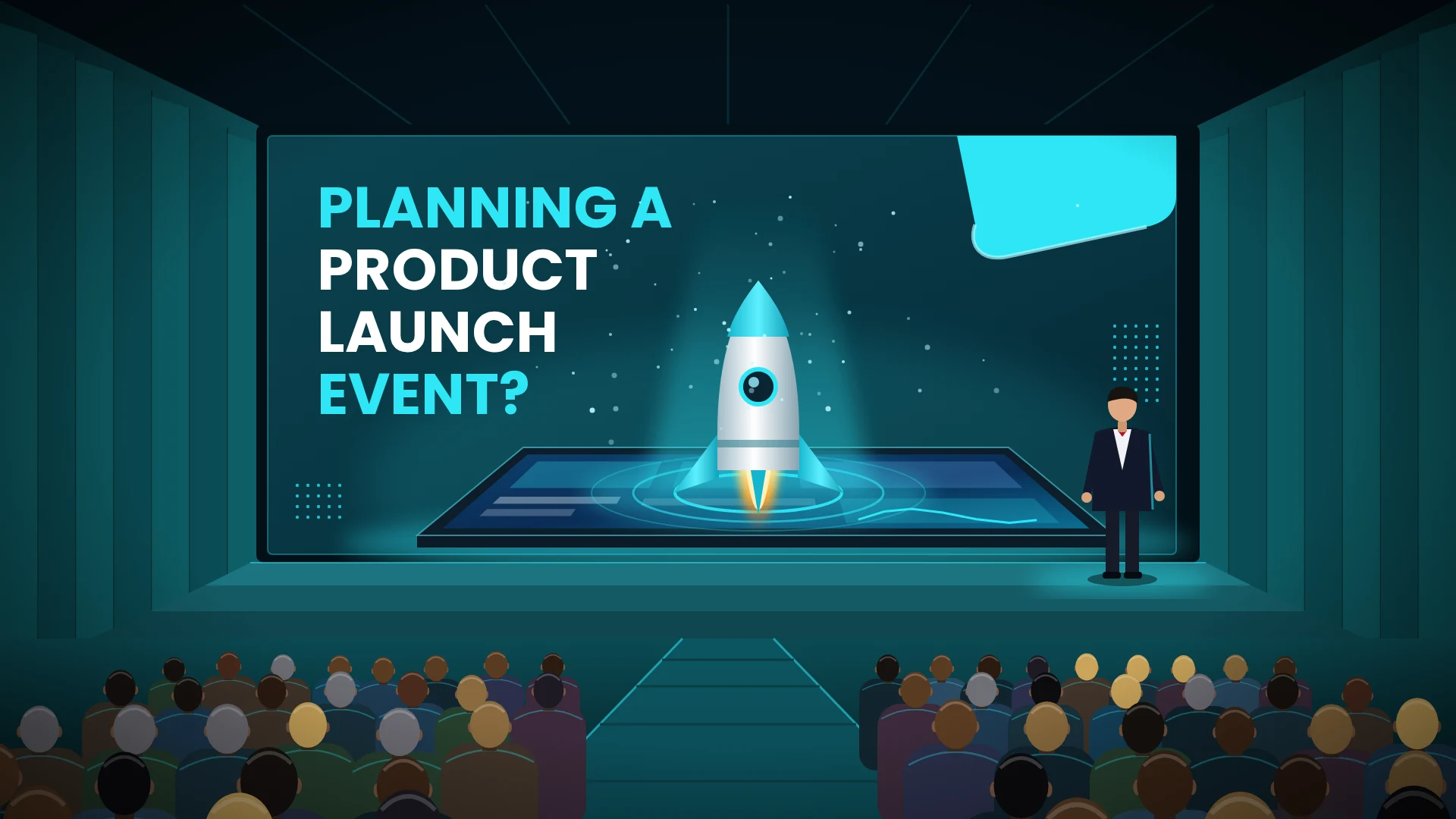
A product launch event marks the public introduction of a new offering. It is part announcement, part demonstration, and part experience. The goal is to generate excitement among customers, media, and partners – and to set the narrative for how the product will be understood in the market.
Product launches can be invite-only press events, large public exhibitions, or live-streamed virtual events. The format depends on the audience and the nature of the product.
What makes them effective: A well-staged launch creates a moment. It gives media something to write about, gives customers a reason to pay attention, and gives your sales team a concrete conversation starter.
Real-world example: A consumer electronics brand unveiling a new device at a media event, followed by hands-on demo stations, a live-stream for remote audiences, and a press kit distributed to journalists.
Team-building events are designed to strengthen relationships among colleagues. They move people out of their standard work environment and into shared experiences that build communication, trust, and camaraderie. These range from outdoor activities and cooking classes to escape rooms and volunteer programmes.
The best team-building events have a loose structure – enough to guide participation, but enough freedom for authentic interaction.
What makes them effective: Teams that know each other beyond their job titles collaborate better, communicate more openly, and handle stress more constructively.
Real-world example: A 60-person marketing department spending a Friday afternoon at a cooking challenge where cross-functional groups compete to prepare a three-course meal – followed by a shared meal and informal awards.
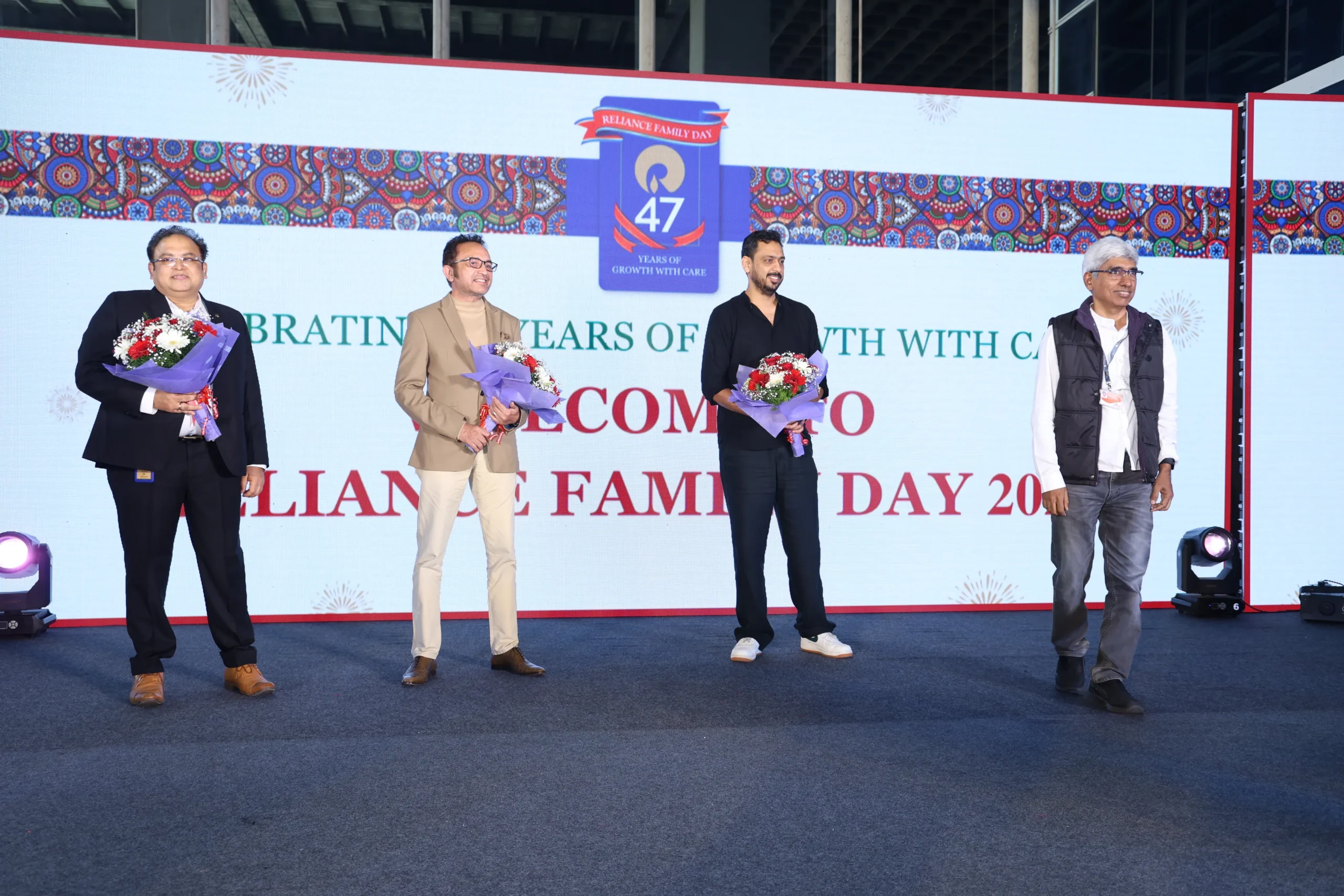
These events exist to recognise achievement. Whether it is an internal awards night celebrating the top-performing sales team or an industry gala honouring outstanding companies, the purpose is the same: to acknowledge effort and results publicly.
Gala dinners add formality and occasion to recognition. They are usually evening events with a seated dinner, entertainment, and a presentation programme.
What makes them effective: Public recognition is a powerful motivator. When employees see their peers being celebrated in front of senior leadership and the wider company, it reinforces the behaviours and outcomes the business wants to see more of.
Real-world example: An insurance firm hosting its annual sales awards dinner at a hotel ballroom, recognising top agents across multiple categories, with a guest speaker and a short performance.
Trade shows bring together companies within the same industry to showcase their products and services to buyers, distributors, and the press. They are typically hosted by industry associations or media organisations, and companies participate by booking exhibition stands.
Attending a trade show is part marketing, part intelligence gathering. Companies observe competitors, meet buyers, and test market response to new offerings – all in the same venue, over one or two days.
What makes them effective: Trade shows concentrate the right audience in one place. For B2B businesses especially, a well-executed exhibition stand can generate more qualified leads in two days than months of outbound sales.
Real-world example: A food and beverage manufacturer exhibiting at an international grocery trade show, showcasing new product lines to supermarket buyers and food distributors from across the region.
AGMs are formal legal requirements for publicly listed companies. They give shareholders the opportunity to hear from leadership, review the company’s financial performance, vote on key decisions, and ask questions. For private companies, they serve a similar purpose within a smaller stakeholder group.
These events are structured and compliance-driven, but they are also an opportunity for leadership to communicate vision and build investor confidence.
What makes them effective: Transparency builds trust. An AGM that is clearly presented and allows genuine dialogue reinforces investor confidence and demonstrates that leadership has nothing to hide.
Real-world example: A publicly listed retail group hosting its AGM at its headquarters, presenting annual results to shareholders, taking questions from the floor, and voting on board appointments.
Incentive trips reward high performers with an experience rather than just a bonus. These are typically travel-based – a destination trip for the top 5% of a sales team, or a leadership retreat at a mountain resort. Retreats can also be strategy-focused, bringing senior teams together in an off-site environment to plan the year ahead without the interruptions of daily office life.
What makes them effective: Incentive travel is aspirational. The prospect of a trip to a desirable destination motivates in a way that cash often does not, because the experience becomes a story people tell. Retreats work because removing leadership from the office removes the distractions that prevent deep strategic thinking.
Real-world example: A telecommunications company rewarding its top 30 sales representatives with a four-day trip to a resort in Portugal, including a gala dinner, an excursion, and a private closing ceremony.
Not every business needs calls for the same type of event. The right format depends on who you are trying to reach, what outcome you want, and what resources you have available.
If the goal is to align your entire company in a new direction, an internal conference or all-hands event makes sense. If you want to generate leads and visibility in your industry, a trade show or product launch is more appropriate. If your team has been working through a difficult period and morale needs a lift, a well-designed team-building event or recognition dinner will do more than a company-wide email ever could.
The common thread across all corporate events is intentionality. The format, venue, agenda, and audience should all serve a clear purpose – because when they do, corporate events stop being costs and start becoming investments.

Copyright © 2025. All rights reserved, Powered By Munchoor Group

Get a customized event plan tailored to your goals, budget & audience.