What is Event Management? A Complete Beginner’s Guide
What is Event Management?
Every successful event, whether it’s a corporate conference, product launch, wedding, exhibition, music concert, or cultural festival, requires detailed planning and coordination behind the scenes.
That complete process is called event management.
Event management involves planning, organizing, coordinating, and executing events to create smooth, engaging, and memorable experiences for attendees. From budgeting and venue selection to logistics, marketing, and on-ground execution, event management ensures every part of an event runs efficiently.
Today, event management has become an essential part of businesses, brands, institutions, and social gatherings because professionally managed events help improve audience experience, brand reputation, and overall event success.
Introduction to Event Management
What Does Event Management Mean?
The meaning of event management is the process of managing every aspect of an event from concept to completion.
It combines:
- Planning
- Coordination
- Creativity
- Communication
- Budgeting
- Logistics
- Problem-solving
- Team management
Event management professionals ensure that all event activities happen according to schedule while maintaining quality, audience engagement, and safety.
Unlike regular project management, event management involves live execution where decisions often need to be made instantly.
What Does Event Management Include?
The scope of event management covers multiple activities, including:
- Understanding the purpose of the event
- Planning the event structure and schedule
- Budget management
- Venue selection
- Vendor management
- Guest registration and invitations
- Stage setup and audio-visual arrangements
- Event marketing and promotion
- Food and catering management
- Crowd management and security
- Event execution and coordination
- Post-event reporting and feedback collection
Whether it is a business conference, exhibition, wedding, or entertainment show, the event management process remains focused on creating a smooth attendee experience.
How Does Event Management Work?
The event management process usually happens in three major stages.
1. Event Planning Phase
The planning stage is the foundation of every successful event.
During this phase, event managers identify the event objective, understand the target audience, set budgets, and prepare a detailed execution strategy.
Important tasks during event planning include:
- Defining event goals
- Setting the budget
- Selecting event dates
- Choosing the venue
- Preparing timelines and schedules
- Vendor shortlisting
- Team allocation
- Risk assessment and contingency planning
Experienced event management companies often spend the majority of their time during this phase because proper planning reduces execution problems later.
2. Event Execution Phase
The execution phase is when the actual event takes place.
This stage requires coordination between multiple teams including:
- Decorators
- Technical teams
- Production teams
- Caterers
- Registration staff
- Security personnel
- Event hosts and coordinators
During execution, event managers monitor every activity to ensure everything runs according to schedule.
Responsibilities during event execution:
- Venue setup
- Guest management
- Stage management
- Audio-visual coordination
- Managing speakers or performers
- Handling technical issues
- Coordinating vendors
- Maintaining event timelines
Good event management ensures attendees enjoy a smooth and stress-free experience.
3. Post-Event Management Phase
Post-event activities include:
- Feedback collection
- Vendor payment settlement
- Reviewing event performance
- Budget analysis
- Attendance reporting
- Social media engagement review
- Client feedback and reporting
Professional event management teams use this stage to improve future event planning strategies.
Types of Event Management
Event management is a broad industry that includes multiple event categories.
Corporate Event Management
Corporate event management focuses on professional business events such as:
- Conferences
- Product launches
- Annual meetings
- Award functions
- Team-building activities
- Trade shows
- Networking events
Businesses often hire corporate event management companies to ensure smooth planning and professional execution.
Exhibition and Trade Show Management
Exhibitions require strong logistics and crowd management.
Event management teams coordinate:
- Stall setup
- Branding
- Registration counters
- Technical support
- Visitor management
- Sponsor coordination
Trade shows are important for businesses looking to improve brand visibility and networking opportunities.
Entertainment Event Management
Entertainment events include:
- Concerts
- Music festivals
- Celebrity events
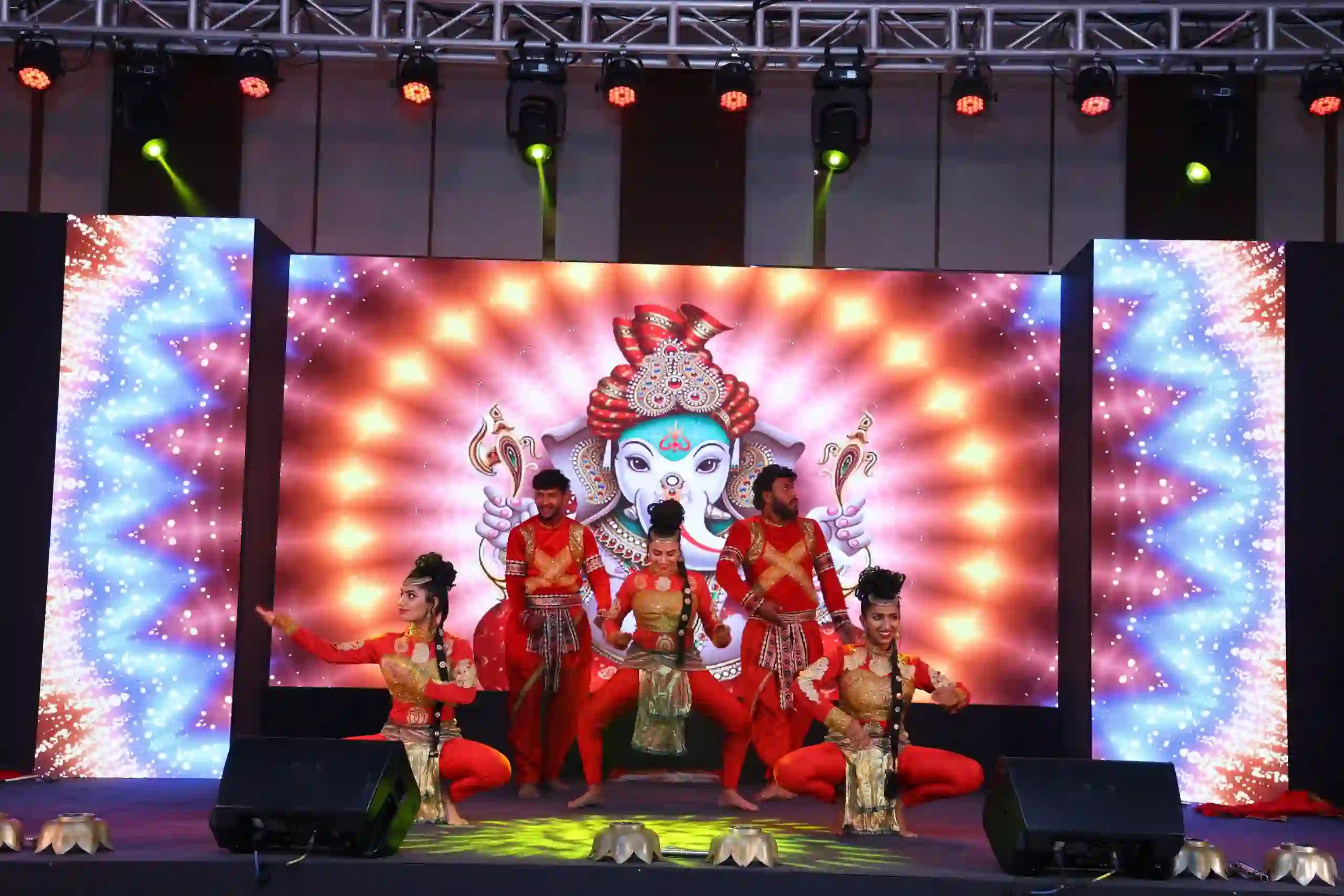
- Cultural programs
- Live performances
These events require high-level production planning, security coordination, and audience management.
Why is Event Management Important?
Event management is important because it brings structure, organization, and professionalism to events.
Without proper planning and coordination, events can quickly become stressful and disorganized.
Importance of Event Management for Businesses
Professional event management helps businesses:
- Improve brand image
- Build customer relationships
- Increase audience engagement
- Generate leads and networking opportunities
- Create memorable brand experiences
A well-executed corporate event can strengthen trust and business credibility.
Skills Required in Event Management
Successful event managers require multiple skills to handle live event environments.
Important event management skills include:
- Communication skills
- Leadership abilities
- Time management
- Problem-solving
- Negotiation skills
- Creativity
- Budget management
- Crisis handling
- Team coordination
- Attention to detail
Strong communication and quick decision-making are especially important during live events.
Real-Life Examples of Event Management
Example 1: Corporate Product Launch
A smartphone company launching a new product may organize simultaneous launch events in multiple cities.
Event management teams handle:
- Venue setup
- Media coordination
- Branding elements
- Product display areas
- Live streaming
- Guest registration
- Technical production
This ensures a consistent brand experience across locations.
Example 2: Destination Wedding
A destination wedding requires months of planning.
Event managers coordinate:
- Travel arrangements
- Accommodation
- Decor setup
- Catering
- Entertainment
- Guest coordination
- Photography schedules
Professional event management helps avoid confusion during multi-day wedding celebrations.
Challenges in Event Management
Event management professionals often face multiple challenges during planning and execution.
Common event management challenges include:
- Last-minute changes
- Technical failures
- Budget limitations
- Vendor delays
- Weather disruptions
- Crowd management issues
- Tight deadlines
Experienced event management companies prepare backup plans to handle unexpected situations effectively.
Conclusion: