
Employee retention is no longer something organisations can afford to address only after resignation rates begin to rise. When a talented employee leaves, the financial impact extends far beyond the salary that needs to be replaced. Recruitment costs, training, onboarding, lost productivity, knowledge gaps, and the effect on team morale can create a much larger expense than most companies initially realise.
Despite this, many organisations still treat retention as a problem for the HR department to solve after employees have already decided to leave. The better approach is to build retention into the everyday employee experience.
People do not always leave because of one major issue. In many cases, they gradually disconnect when they feel ignored, unappreciated, overworked, or uncertain about their future. This is where employee engagement becomes important. When employees feel seen, supported, and connected to their workplace, they are more likely to remain committed for the long term.
The following employee engagement activities can help companies create a workplace culture that improves satisfaction, strengthens relationships, and supports better retention.
Understanding Employee Engagement
Employee engagement is the emotional, psychological, and professional connection an employee has with their work, team, manager, and organisation. It is not limited to whether someone is happy at work or enjoys occasional office events.
An engaged employee understands how their role contributes to the organisation’s goals. They take ownership of their responsibilities, participate in discussions, share ideas, and feel that their work has value. They are more likely to collaborate with colleagues and make an effort beyond the minimum requirements of their role.
Employee engagement also influences how employees respond to workplace challenges. A person who feels connected to the organisation may be more willing to work through difficulties, ask for support, and look for solutions. Someone who already feels disconnected may view the same challenge as another reason to start searching for a new job.
The Connection Between Engagement and Retention
Retention is often a natural result of a positive and engaging workplace experience. Employees are more likely to stay when they feel respected, included, recognised, and confident about their future within the organisation.
Of course, salary, benefits, and job security remain important. However, compensation alone does not always compensate for poor leadership, limited growth, constant stress, or a lack of appreciation. When employees feel like replaceable resources, a modest offer from another company may be enough to encourage them to leave.
Engagement helps create stronger reasons for employees to stay. It gives them a sense of belonging and reinforces the belief that the organisation values both their work and their wellbeing.
Why Engaged Employees Stay Longer
Engaged employees usually remain with their employers for longer because their connection to the workplace goes beyond their monthly salary. Their decision to stay is influenced by several important factors:
- They understand the purpose behind their work and know how their contribution supports wider business objectives.
- They receive recognition that is timely, specific, and sincere.
- They have opportunities to improve their skills and take on new responsibilities.
- They share positive relationships with managers, colleagues, and team members.
- They feel supported during demanding periods instead of being expected to manage constant pressure alone.
- They can see opportunities for career development and internal progression.
- They work in an environment that respects personal time and encourages a healthy work-life balance.
- They feel comfortable sharing their ideas, concerns, and feedback without fear of being ignored.
When these needs are not met, disengagement can begin long before an employee resigns. They may become quieter during meetings, stop contributing ideas, lose motivation, or perform only what is necessary. By the time the resignation is submitted, the employee may have been mentally disconnected for months.
This is why retention strategies need to focus on the full employee experience rather than compensation alone.
Employee Engagement Activities That Support Retention
Not every engagement activity produces the same results. A once-a-year party may create a pleasant memory, but it will not solve deeper concerns related to poor communication, limited progression, or a lack of trust.
Activities that improve retention are usually consistent, purposeful, and designed around what employees genuinely need. The following initiatives can make a meaningful difference.
1. Create a regular recognition programme
Employees want to know that their effort is noticed. Recognition is most effective when it is specific, timely, and connected to a real contribution.
Instead of offering a general statement such as “Well done, everyone,” managers can mention the exact action that made a difference. For example, they might recognise an employee for handling a difficult client, supporting a new team member, improving a process, or completing a demanding project before the deadline.
Companies can introduce:
- Peer-to-peer appreciation platforms.
- Recognition during team meetings.
- Monthly appreciation messages.
- Personal notes from managers.
- Milestone acknowledgements.
- Awards for collaboration, creativity, reliability, and improvement.
- Recognition linked to company values.
Recognition should not be reserved only for employees who deliver major results. Consistently appreciating everyday contributions helps create a workplace where employees feel valued in real time.
2. Organise meaningful team offsites
Team offsites can help employees build stronger relationships outside the usual office routine. They create space for communication, collaboration, and shared experiences that may not happen during regular working hours.
However, a successful offsite is not simply about booking an expensive venue or filling the day with compulsory games. Activities should be carefully planned around the team’s interests, comfort levels, and objectives.
A well-designed offsite may include:
- Collaborative problem-solving activities.
- Workshops focused on communication or teamwork.
- Informal meals and conversations.
- Outdoor experiences.
- Creative sessions.
- Time for relaxation and personal interaction.
- Discussions about team goals and future priorities.
The purpose is to help employees connect naturally rather than forcing them to participate in activities that feel uncomfortable or unrelated. An offsite designed with intention can strengthen trust and improve collaboration long after the event has ended.
3. Invest in learning and career development
Employees are more likely to stay with an organisation when they believe they have a future there. A role that offers no learning, growth, or progression can eventually feel limiting, even when the employee initially enjoys the work.
Companies can support professional development through:
- Sponsored certifications.
- Skill-building workshops.
- Online learning subscriptions.
- Mentorship programmes.
- Leadership development opportunities.
- Cross-functional projects.
- Industry conferences.
- Individual development plans.
- Internal job rotations.
Internal mobility is equally important. Employees should know that they can explore new roles or responsibilities within the same organisation rather than having to leave to advance their careers.
Clear career paths also help employees understand what is expected for their next step. When an organisation invests in people as long-term contributors instead of viewing them only through their current job title, employees are more likely to develop a stronger sense of loyalty.
4. Build continuous feedback loops
Annual performance reviews are not enough to maintain strong communication between employees and managers. When feedback is shared only once or twice a year, problems can remain unresolved for too long.
Regular one-on-one meetings, pulse surveys, team check-ins, and open feedback channels allow managers to understand how employees are feeling throughout the year. These conversations should cover more than deadlines and performance figures.
Managers can ask employees about:
- Their current workload.
- Any obstacles affecting their performance.
- Their development goals.
- The support they need.
- Team communication.
- Career concerns.
- Ideas for improving workplace processes.
- Their overall experience within the organisation.
The most important part of collecting feedback is taking action afterwards. Employees quickly lose trust when they are repeatedly asked for opinions but never see any changes. Even when every request cannot be implemented, leaders should explain what can be done, what cannot be done, and why.
5. Introduce wellness and flexibility initiatives
Burnout can gradually affect performance, health, morale, and workplace relationships. By the time burnout becomes visible, an employee may already be considering resignation.
Wellness and flexibility initiatives can help address stress before it becomes a serious retention issue. Depending on the organisation, these may include:
- Flexible working hours.
- Hybrid work options.
- Mental health support.
- Wellness days.
- Counselling resources.
- Fitness or wellbeing programmes.
- Realistic workload planning.
- Paid time off.
- Manager training on burnout prevention.
- Clear boundaries around after-hours communication.
These initiatives must be supported by everyday management behaviour. For example, a company cannot claim to support work-life balance while expecting employees to respond to messages late at night or take on unrealistic workloads without support.
Wellness should be treated as an ongoing part of workplace culture rather than a temporary campaign.
6. Celebrate milestones and important moments
Employees appreciate being remembered during meaningful moments. Work anniversaries, promotions, successful project completions, personal achievements, birthdays, festive occasions, and team accomplishments all offer opportunities to express appreciation.
The gesture does not need to be expensive. A personalised message, a small celebration, a thoughtful card, or a useful gift can make an employee feel recognised.
Personalisation is important. Some employees may enjoy being appreciated publicly, while others may prefer a private message. Understanding individual preferences ensures that celebrations feel thoughtful rather than routine.
Small moments of appreciation, repeated consistently, often create a stronger sense of belonging than one large event held at the end of the year.
The Role of Corporate Gifting in Employee Retention
Corporate gifting is one of the most underestimated tools available to HR and administrative teams. A carefully selected gift can communicate appreciation in a tangible and memorable way.
Words of appreciation matter, but a thoughtfully chosen gift can reinforce those words. It shows that the organisation took the time to acknowledge a specific occasion or contribution.
Employee gift boxes can be used for:
- New-joiner welcome kits.
- Work anniversaries.
- Promotions.
- Project completions.
- Employee appreciation days.
- Festive celebrations.
- Personal milestones.
- Recognition for exceptional contributions.
- Team achievements.
- Return-to-office or hybrid workplace initiatives.
Companies working with a corporate gifting company that specialises in curated, high-end corporate gifts can create more meaningful experiences for employees. Instead of selecting generic products at the last minute, organisations can design gifts that reflect their culture, brand personality, and the interests of their teams.
Corporate thank-you gifts are also effective when they are sent consistently rather than only during major occasions. A well-planned gifting programme can turn appreciation into a regular part of the employee experience.
However, gifting should complement strong workplace practices rather than replace them. A gift cannot resolve poor management, unfair compensation, excessive workloads, or limited growth opportunities. When combined with genuine recognition, professional development, communication, and wellbeing support, gifting can become a valuable retention touchpoint.
How Frequently Should Engagement Activities Be Organised?
There is no fixed schedule that applies to every organisation. The right frequency depends on team size, work culture, employee preferences, business priorities, and available resources.
A balanced engagement calendar may include the following:
- Weekly or monthly activities: informal recognition, team check-ins, manager one-on-ones, peer appreciation, and small celebrations.
- Quarterly activities: skill-development workshops, pulse surveys, wellness sessions, team-building experiences, and career conversations.
- Yearly activities: larger offsites, festive gifting, work anniversary celebrations, annual events, and major milestone programmes.
The purpose is not to keep employees busy with constant activities. Too many events can become tiring, repetitive, or feel like another obligation.
The real goal is to make engagement a natural part of the workplace. A short recognition message, a genuine conversation with a manager, or a thoughtful gesture at the right time can be more effective than an expensive event that happens only once a year.
Common Retention Mistakes Companies Should Avoid
Many companies understand the importance of engagement but still make mistakes when implementing retention strategies. Some of the most common problems include:
- Treating engagement as an annual event instead of an ongoing practice.
- Copying activities from other companies without understanding what their own employees value.
- Measuring engagement only through exit interviews after employees have already decided to leave.
- Assuming that higher salaries can permanently compensate for a poor workplace culture.
- Offering surface-level perks while ignoring workload, leadership, communication, and growth concerns.
- Asking for feedback without explaining how it will be used.
- Making every activity compulsory, regardless of employee preferences.
- Planning events that are repetitive, generic, or disconnected from the organisation’s culture.
- Assigning engagement responsibilities to teams without sufficient time, expertise, or resources.
- Focusing on visible activities while neglecting the everyday behaviour of managers and leaders.
Avoiding these mistakes is often more useful than constantly adding new perks. Employees usually respond more positively to thoughtful and dependable practices than to novelty that disappears after a few weeks.
Frequently Asked Questions
1. Does employee engagement really reduce attrition?
Yes. Engaged employees typically have a stronger emotional connection to their organisation and are more likely to feel committed to staying. Engagement can reduce avoidable voluntary attrition by improving recognition, communication, growth opportunities, workplace relationships, and overall satisfaction.
However, engagement is not a guarantee that every employee will remain permanently. People may still leave because of relocation, career changes, personal circumstances, or better opportunities. The purpose of engagement is to ensure that employees do not leave because they feel ignored, unsupported, or disconnected.
2. What is the most affordable way to improve engagement?
Consistent and genuine recognition is one of the most affordable ways to improve employee engagement. A specific message from a manager or a public acknowledgement during a team meeting can have a meaningful effect without requiring a large budget.
Companies can also improve engagement through regular communication, transparent decision-making, flexible scheduling, supportive one-on-one meetings, peer appreciation, and opportunities for employees to take ownership of their work.
3. Are expensive employee gifts necessary?
No. The value of a gift is not determined only by its price. A useful, relevant, and personalised gift can be more meaningful than an expensive item selected without thought.
The occasion, timing, presentation, and accompanying message all influence how the gesture is received. What matters most is that employees feel the gift was chosen to recognise them rather than handed out as a routine formality.
4. Should engagement activities be managed internally or through an external partner?
Small and informal activities can often be managed by internal HR, administration, or team leaders. Examples include appreciation messages, regular check-ins, small celebrations, and internal feedback conversations.
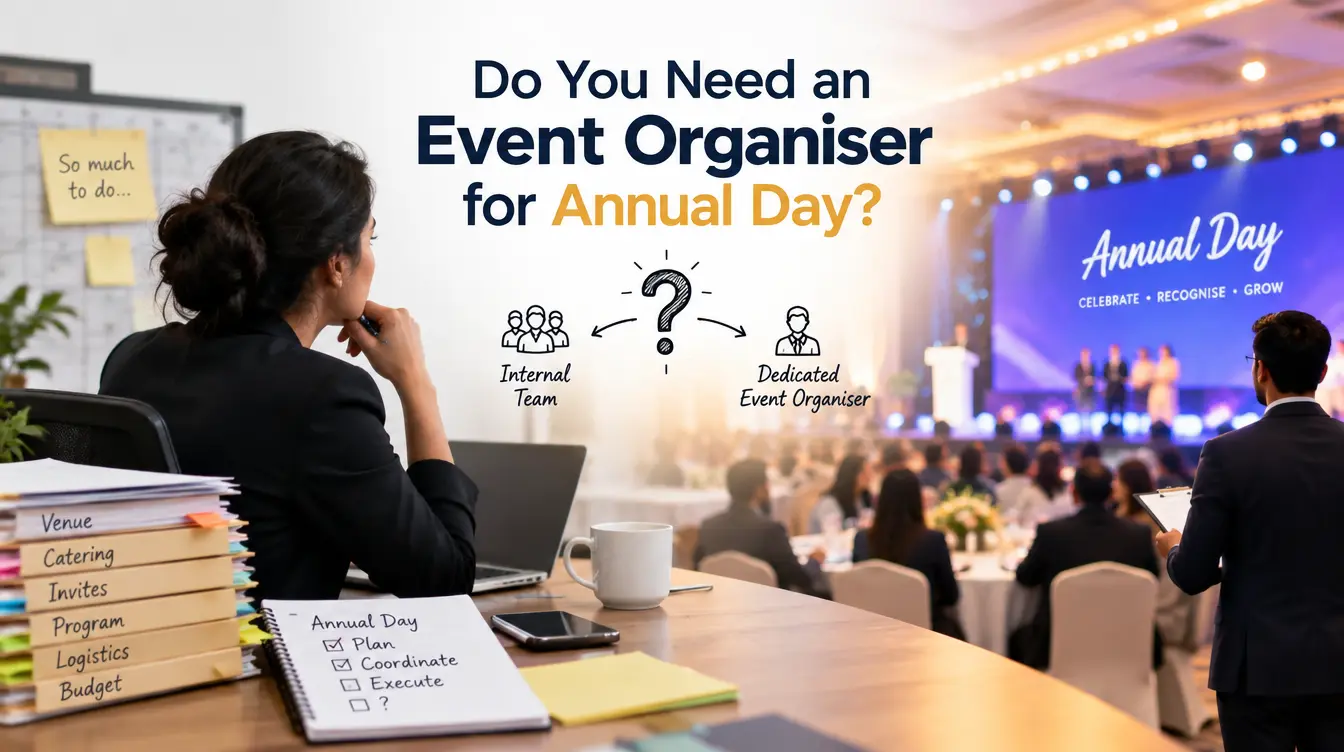
Larger initiatives, such as corporate offsites, customised employee experiences, and curated gifting programmes, may be more effective when planned with an experienced external partner. Specialists can support concept development, vendor coordination, personalisation, logistics, and execution, allowing internal teams to focus on employee communication and follow-up.
Creating a Retention-Focused Culture
Employee engagement is not a box that can be checked through one annual event. Retention is also not something that can be solved through a single benefit or short-term incentive.
A strong retention strategy is built through repeated moments that make employees feel valued and connected. Recognition, career growth, continuous feedback, flexibility, meaningful team experiences, wellness support, and carefully planned corporate gifts can all contribute to a healthier employee experience.
The most successful organisations understand that employees remember how they are treated during ordinary working days, not only during annual celebrations. When appreciation and support become part of daily culture, employees are more likely to remain motivated, loyal, and invested in the organisation’s future.
If your company is looking for better ways to keep employees engaged and committed, it can help to work with specialists who understand how to design memorable workplace experiences. Reach out to Bigbee Experience Management to discuss an employee engagement strategy created around your organisation’s culture, goals, and people.